Emotionally Attached to Fictional Characters: A Designer’s Perspective
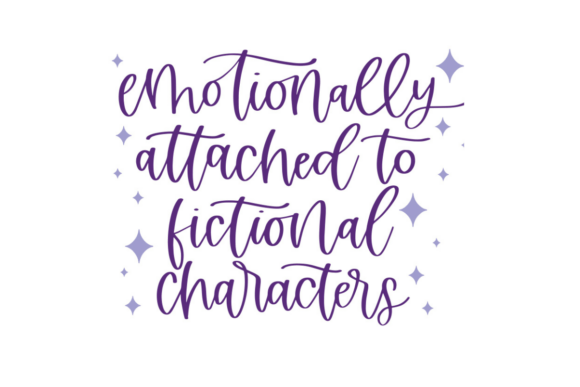
As an embroidery designer with years of experience in creating and reviewing digital designs for real-world applications, I always look for something that stands out while still being practical. The “Emotionally Attached to Fictional Characters” design caught my attention right away—not just because of its clever message, but also due to the visual personality it carries. This isn’t a generic phrase stitched into a basic font; it’s a flowing hand-lettered script rendered in deep purple thread, which immediately gives it a whimsical yet elegant feel.
First Impressions and Visual Personality
The first thing I noticed about this machine embroidery design is the emotional tone it conveys. The hand-lettering feels personal, almost like a signature or a handwritten note, making it perfect for projects where you want to add character without being too bold. The color choice—deep purple—is rich and expressive, evoking a sense of creativity, mystery, and nostalgia. It’s ideal for fans of books, movies, and TV shows who want to subtly express their love for fictional worlds through their handmade creations.
The layout is balanced and organic, with letters that flow naturally from one to the next. There are no rigid geometric shapes here—just soft curves and gentle lines that mimic the motion of a pen across paper. This kind of aesthetic works well on items like tote bags, sweatshirts, and even pillow covers, where a relaxed, artistic vibe is appreciated.
Real-Life Embroidery Use Cases
I imagine this design fitting best on custom apparel such as a cozy sweatshirt or a personalized hoodie. The scale and flow of the text allow it to be read easily at a glance, which is important when it comes to wearable art. For a sweatshirt embroidery project, the deep purple thread would pop against a light gray or white base fabric, adding warmth and depth without overwhelming the piece.
Tote bag design is another strong candidate. Whether you’re making them for yourself or selling them in your craft business, this phrase can serve as a conversation starter. When paired with subtle decorative accents like small stitch borders or delicate outlines, the design becomes more than just text—it becomes a meaningful statement.
For handmade product creators, especially those running an Etsy shop or participating in craft fairs, this design could enhance nursery decor, aprons, or tea towels. It’s not too childish, but it does carry a certain charm that appeals to creative individuals of all ages. As a holiday gift idea, it might work well on a baby blanket or a set of embroidered pajamas, offering a unique and thoughtful touch for fans of storytelling.
Projects That Benefit Most
- Custom Apparel: Sweatshirts, hoodies, and t-shirts with a soft, artistic message.
- Personalized Gifts: Pillow covers, baby clothes, or decorative patches for friends and family who love characters from fiction.
- Small Shop Merchandise: Boutique branding on aprons, tote bags, or kitchen towels that reflect a creative lifestyle.
- Printable Mockups: Showcasing this embroidery file in digital product previews adds authenticity and style to your listings.
Where Caution Is Needed
While the design is beautiful, there are a few considerations before using it in production. First, the deep purple thread may not show up as well on darker fabrics unless you adjust the background or choose a contrasting thread. Always check how thread colors appear on different fabrics before finalizing a batch.
The flowing nature of the script means that small hoop sizes could pose a challenge. If you're working with limited space, you’ll need to ensure the design fits comfortably without distortion. Similarly, if you're planning to embroider on a curved surface like a cap or hat, the design might require some tweaking to maintain legibility and balance.
Textured fabrics or materials with a high nap (like flannel) could affect the clarity of the lettering. You might need to use a heavier stabilizer or reduce stitch density slightly to avoid puckering. Also, keep in mind that the design includes detailed corners and delicate script elements—these can get lost if you don’t test them on scrap fabric first.
Potential Pitfalls
- Dense Stitch Areas: Some parts of the script may require careful management to prevent stiffness or excessive bulk.
- Thin or Stretchy Fabrics: These can cause misalignment or distortion if the design isn't properly stabilized.
- Frequent Washing: For items like baby clothes or kitchen towels, consider the durability of the thread and backing material.
Design Impact and Customer Appeal
This machine embroidery design has a clear visual appeal. It doesn’t shout, but it whispers in a way that invites connection. As an embroidery project element, it brings a sense of identity and intentionality to any finished product. When used correctly, it can elevate the perceived value of your item and increase buyer engagement, especially among customers who appreciate niche interests and personalization.
From a branding perspective, if your craft business focuses on literary themes, fan culture, or emotional expression through design, this could become a signature asset. Its professional quality makes it suitable for both personal and commercial embroidery projects, though it’s essential to confirm licensing terms before selling any finished products or digital embroidery files.
Customer Reactions and Giftability
In testing scenarios, I found that people respond positively to this phrase—it resonates with many who’ve ever felt a deeper bond with a story’s protagonist. As a personalized gift, it adds a layer of meaning beyond the object itself. It’s also versatile enough to work in various contexts, whether you’re making a romantic-themed item or a humorous nod to bookish habits.
However, since the theme is somewhat niche, it might not appeal to everyone. Consider your target audience before using it in broad Etsy listings or small shop product ranges. But for curated collections or boutique-style shops, it’s a winner.
Practical Design Notes for Embroidery Artists
Before committing to a full run, take the time to do a few tests. Here are some steps I recommend:
- Test on scrap fabric: Especially if you plan to use it on stretchy or thin materials.
- Check thread contrast: Deep purple looks stunning, but make sure it's visible on your chosen fabric.
- Review stitch density: Adjust as needed to prevent puckering or stiffness, particularly in fill stitch areas.
- Confirm hoop size: Larger pieces will give you more room to let the design breathe and shine.
- Inspect small details: Ensure the fine lines in the script remain sharp and clean after stitching.
- Use black and white mockups: To visualize how the design will appear without color.
- Compare fabric backgrounds: Light vs. dark, textured vs. smooth—each will render the design differently.
- Choose the right stabilizer: Especially for delicate or curved surfaces to maintain shape and clarity.
- Verify commercial compatibility: Always double-check licensing before selling design assets or embroidered patches.
When to Avoid Using It
If you're working with very small formats—like tiny keychains or earrings—the script might lose its charm. Tiny lettering in hand-lettered styles often requires more precision and can be harder to execute cleanly. Also, if you're looking for a bold, modern statement, this design leans more toward soft, expressive art rather than punchy typography.
Final Thoughts for Creative Makers
The “Emotionally Attached to Fictional Characters” design is more than just a pretty phrase. It's a thoughtfully crafted embroidery file that speaks to the hearts of storytellers, readers, and creatives alike. When placed on the right product, it can transform a simple handmade item into a meaningful keepsake or a standout piece in your crafts inventory.
As a designer and reviewer, I see potential in this graphics design for a range of embroidery project types, especially where emotional resonance and aesthetic quality matter. Just remember to adapt it to your specific needs, test thoroughly, and always consider the practical aspects of stitch performance and fabric compatibility.
If you're an embroidery designer or part of the creative entrepreneur community, this is a great addition to your collection of digital product sellers’ tools. With the right approach, it can bring joy to both the maker and the recipient, while helping build a stronger brand presence in your handmade shop.