Gigi’s Little Bestie: A Heartfelt Embroidery Design for Real Projects
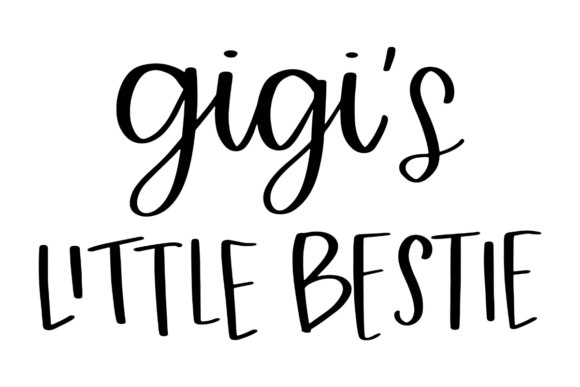
As a designer and product reviewer with years of experience in the embroidery space, I always look for digital designs that not only capture emotional appeal but also hold up under real-world stitching conditions. Gigi’s Little Bestie caught my eye as a typographic illustration that promises to showcase the special bond between a grandmother and her favorite companion. Let’s dive into how this design performs in practical use and what kind of projects it truly shines on.
First Impressions: A Sentimental Touch with Style
The first thing I noticed about Gigi’s Little Bestie is its hand-drawn feel. It carries an artistic warmth that immediately sets it apart from more rigid or mass-produced embroidery files. The elegant, modern script feels both personal and professional—perfect for blending sentiment with sophistication. The layout is well-balanced, with enough visual detail to make the message pop without overwhelming the fabric.
Visually, the design exudes a soft charm, ideal for heartfelt handmade products like personalized gifts, nursery decor, or boutique branding. It has a natural home on items where emotion matters—think custom sweatshirts, embroidered patches, or holiday-themed apparel. Its shape suggests versatility; it could be framed neatly in a corner or stretched across a larger surface like a tote bag or pillow cover.
Real-Life Use Cases: Where This Design Truly Shines
Let me walk through a few real-life scenarios where I’d consider using Gigi’s Little Bestie:
- Tote Bag Design: For a client looking to create a gift for a grandmother, this design would work beautifully on a cotton canvas tote. The script reads clearly, and the overall composition adds a touch of class.
- Sweatshirt Embroidery: Placed near the chest area, it looks cozy and inviting. The design’s personality fits well with casual, family-oriented apparel.
- Baby Embroidery: While the theme is grandparent-focused, the gentle curves and softness of the typography could also be adapted for baby items, especially if paired with a simpler color palette.
- Holiday Gifts: Whether stitched onto a decorative apron or a festive tea towel, Gigi’s Little Bestie brings a warm, personal touch that elevates the gift-giving experience.
- Etsy Listings: As a digital embroidery file, it’s great for sellers offering downloadable design assets. It adds value quickly, especially when used with printable mockups to show potential buyers how it might look on various items.
This design is particularly strong when applied to mid-to-large hoop sizes, where the details can breathe and the script remains legible. It works best on smooth, stable fabrics like quilting cotton or felt. On these materials, the satin stitch outlines and fill areas remain consistent and clean, preserving the intended aesthetic.
Design Notes for Commercial Use
If you’re planning to sell finished products featuring Gigi’s Little Bestie, ensure you understand the licensing terms before doing so. As a commercial embroidery project, this design could become a signature element for a small shop product line or a popular addition to a craft business inventory. Its unique personality makes it stand out in a sea of generic graphics, which can help increase buyer engagement and customer trust.
Where to Use It Carefully
While Gigi’s Little Bestie is versatile, there are certain situations where it needs more attention:
- Small Hoop Sizes: The design contains delicate elements that may get lost or distorted if scaled down too much. Test it on scrap fabric before committing to smaller formats like embroidered patches or cap embellishments.
- Textured Fabrics: Stitch clarity may be affected on surfaces like flannel or denim. Consider adjusting stitch density or using a lighter-weight stabilizer to maintain definition.
- Thin or Stretchy Fabric: These materials may cause distortion in the running stitch or fill areas. Always test on similar fabric before moving to production.
- Dark Fabric Backgrounds: Thread colors must contrast well to be visible. If using black fabric, choose white or light-colored threads carefully to preserve the design's visibility.
- Curved Surfaces: Items like caps or curved bags may require manual adjustments due to the nature of the script and layout.
- Detailed Corners and Tiny Lettering: Some parts of the design feature fine lines and subtle flourishes that may need extra attention during setup to avoid breakage or missed stitches.
- Frequent Washing: If used on kitchen towels or baby clothes, opt for high-quality thread and proper backing to prevent fraying or fading over time.
Thread Color and Fabric Texture Tips
I recommend starting with a black-and-white mockup to evaluate how the design interacts with your chosen fabric texture. Then experiment with thread colors—Gigi’s Little Bestie’s style allows for creative combinations, such as metallic accents or pastel hues for a softer look. Be sure to check how the stitch density affects the overall appearance, especially in fill areas. Too tight, and it becomes stiff; too loose, and it loses definition.
Visual Appeal and Branding Value
One of the most appealing aspects of Gigi’s Little Bestie is its ability to add emotional weight to a product. As a machine embroidery design, it’s expressive yet clean, making it suitable for both intimate handmade gifts and more polished small shop merchandise. Its presence on a finished product can significantly enhance perceived value, especially when presented with care in an Etsy listing or at a craft fair.
From a branding perspective, the design supports brand consistency by maintaining a cohesive visual language across different product types. It can be used in multiple contexts while still feeling connected to a broader theme—ideal for boutique owners or creative entrepreneurs building a curated collection of embroidery-based goods.
Practical Designer Recommendations
Here are some key tips to keep in mind when working with Gigi’s Little Bestie in any embroidery project:
- Always test the design on scrap fabric that matches your final material.
- Check thread color contrast against your background fabric—especially if you're aiming for a bold statement.
- Review stitch density settings to avoid puckering or stiffness, especially in fill stitch areas.
- Confirm the recommended hoop size and adjust the design accordingly if yours differs.
- Inspect small details closely—such as tiny letters or decorative accents—for potential issues.
- Test the design in a black and white format to see how it translates without color bias.
- Compare how it appears on both light and dark fabric backgrounds to optimize presentation.
- Use appropriate stabilizer to support the design, especially on stretchy or thin materials.
- Ensure you have the correct permissions for commercial use, especially if selling finished products or digital embroidery files.
Final Thoughts: A Thoughtful Addition to Your Embroidery Toolkit
Gigi’s Little Bestie isn’t just another embroidery design—it’s a conversation starter. Its hand-drawn style and meaningful theme make it a standout choice for those who want to offer something memorable in their craft business or personal projects. When used correctly, it enhances the handmade product experience and builds stronger connections with customers.
However, as with all embroidery files, success depends on thoughtful application. Take the time to understand how it behaves on different materials, adjust your techniques as needed, and let the design speak through your creativity. With the right approach, Gigi’s Little Bestie can elevate your next project from simple to special.
For hobbyists and seasoned embroidery designers alike, this digital design offers a blend of sentiment and style that’s hard to ignore. Just remember: every stitch tells a story, and this one’s worth telling right.